Basketball uniforms are more than matching shirts and shorts. They help identify teams, support player performance, and create a sense of unity on and off the court. From school leagues to professional competitions, a well-designed uniform plays an important role in the game and the experience surrounding it.
Building Team Identity
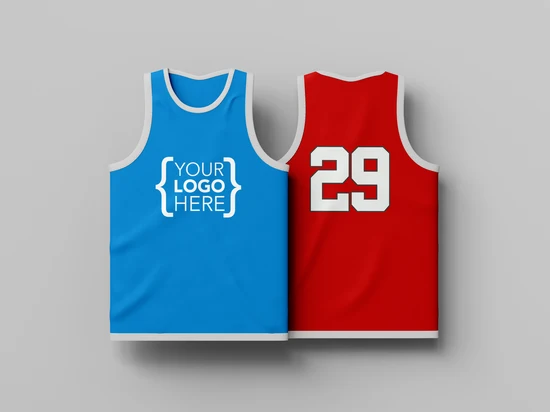
A uniform gives a team a recognizable look. Team colors, logos, names, and numbers help distinguish players from opponents and allow spectators to follow the action. This clear identification is especially useful during fast-paced games, when players move quickly and the ball changes hands in seconds.
Uniforms also express a team’s identity. A design may reflect a school, community, club, or city, giving players something meaningful to represent. Wearing the same colors can strengthen pride in the team and remind athletes that they are part of a shared effort. For fans, a familiar uniform can become a symbol of loyalty and belonging.
Encouraging Unity and Confidence
When players put on the same uniform, they step into a collective role. The clothing serves as a visible reminder that each person contributes to a common goal. Although basketball depends on individual skills, success usually requires cooperation—passing, communicating, defending, and supporting teammates.
A comfortable, professional-looking uniform can also help players feel confident. When athletes feel prepared and proud of how they look, they may approach competition with a stronger sense of focus. Uniforms do not determine a team’s ability, but they can contribute to the positive mindset and shared spirit that help players perform at their best.
Supporting Comfort and Performance
Basketball involves running, jumping, pivoting, and sudden changes of direction. Players need clothing that allows them to move freely without distraction. Traditional basketball uniforms typically include a sleeveless jersey and lightweight shorts, providing flexibility for upper- and lower-body movement.
Fabric matters, too. Breathable materials can help release heat and moisture during intense play. A good fit helps prevent clothing from feeling too tight, heavy, or restrictive. Jerseys and shorts should remain comfortable through the full game, including warm-ups and overtime. When uniforms are designed with movement in mind, players can focus more fully on playing rather than adjusting their clothing.
Improving Safety and Organization
Uniforms help coaches, referees, players, and spectators keep track of who is on each team. Numbered jerseys make it easier to identify athletes, record statistics, and communicate substitutions or fouls. Clear team colors also reduce confusion during play, helping players make quicker decisions about whom to defend or pass to.
Uniforms should also be designed and maintained with safety in mind. They should fit securely and avoid unnecessary features that could catch, snag, or distract players. Proper sizing is important: clothing that is excessively loose or uncomfortable may interfere with movement. Teams should follow league rules for colors, numbers, and required equipment so players can compete fairly and safely.
Representing Teams Beyond the Court
Basketball uniforms often appear in team photographs, community events, tournaments, and school activities. They can connect athletes with supporters and create lasting memories of a season. For younger players, receiving a team uniform may be a particularly meaningful moment, marking their place in a group and encouraging continued participation.
Uniforms can also help promote a team or organization. A distinctive logo and color scheme make a team easier to recognize and can strengthen its presence in the community. Thoughtful design balances appearance with practical needs, ensuring that uniforms look appealing while remaining durable and comfortable.
Conclusion
Basketball uniforms play several important roles. They distinguish teams, encourage unity, support comfort, improve organization, and represent a group’s identity. A uniform cannot replace practice, teamwork, or good coaching, but it can help create the conditions for players to feel prepared and connected. When designed for both performance and pride, it becomes an essential part of the basketball experience.