
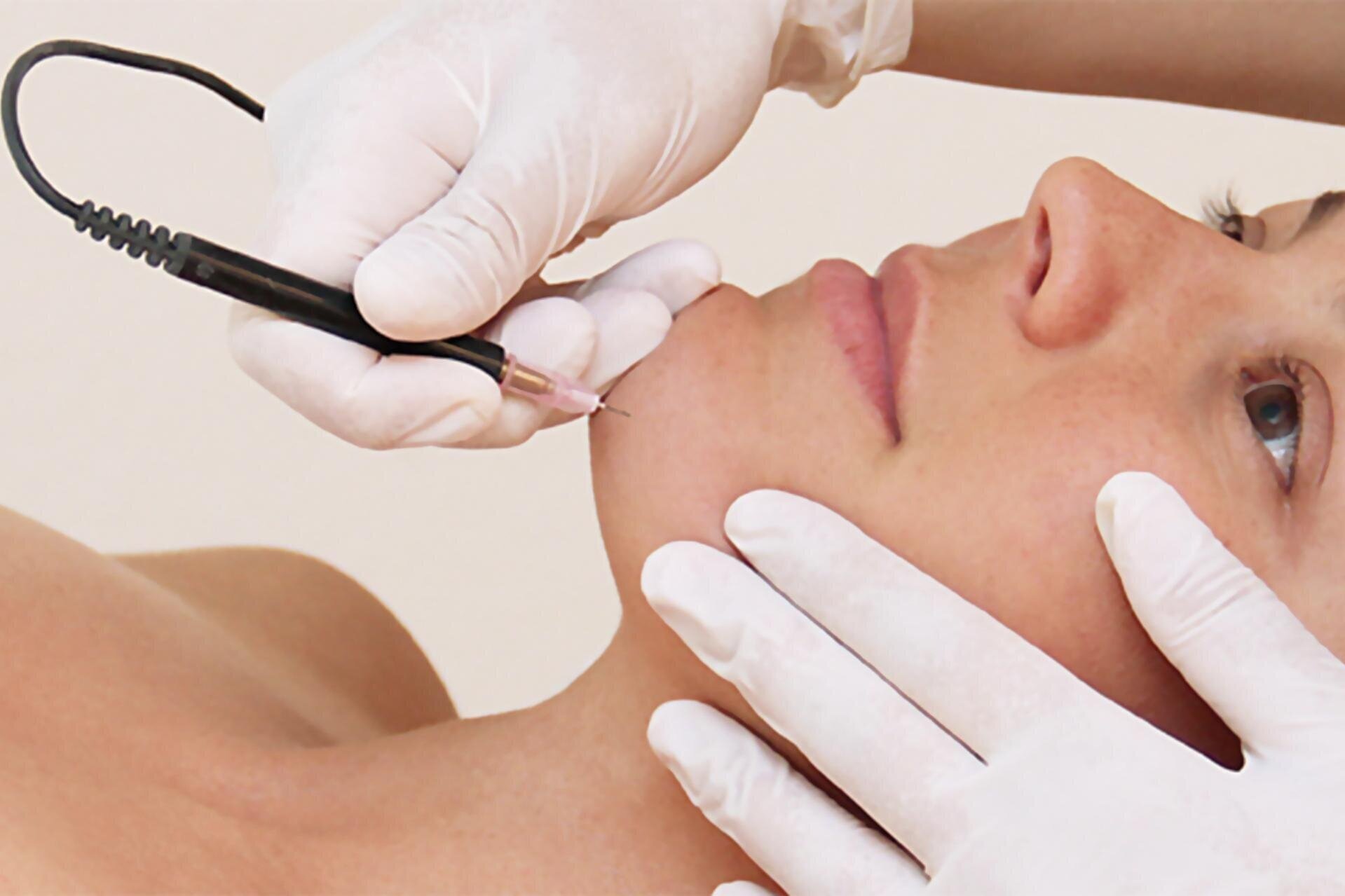
Teens may want to remove unwanted hair for many reasons, including personal comfort, appearance, or gender affirmation. Electrolysis is one option, but it is worth understanding how it works, what it involves, and whether it is right for you.
What Is Electrolysis?
Electrolysis removes hair by treating each follicle—the tiny opening in the skin where a hair grows—with a very fine probe and a small amount of electrical energy. The treatment damages the follicle so it can no longer produce hair. Unlike laser hair removal, electrolysis can treat hair of different colors and works across a wide range of skin tones.
Electrolysis is often described as permanent hair removal, but results depend on treating every active follicle effectively. Hair grows in cycles, so several appointments are usually needed. The number and length of sessions depend on the area, hair density, and individual growth patterns.
Is Electrolysis Suitable for Teenagers?
There is no single age that is right for everyone. Some teens may be good candidates, while others may prefer to wait. During puberty, hormone levels change and new hair can continue to appear. This may mean more appointments later, even after a treated area looks clear.
Rules also differ by location and clinic. Some practitioners require a parent or guardian’s permission for clients under 18; others may not treat minors at all. Ask about the clinic’s age policy and consent requirements before booking. A parent or trusted adult can help you discuss costs, safety, and aftercare, but your comfort and agreement matter too.
What Happens During an Appointment?
First, the practitioner should explain the process, discuss your health history, and answer questions. You should be told what area will be treated and what sensations to expect. During treatment, you may feel warmth, tingling, or brief stinging. Sensitivity varies by person and body area.
Appointments can last from a few minutes to an hour or more. Larger areas may require many visits over an extended period. If you feel uncomfortable, you can ask for a break or stop the session. You can also ask whether a small test area is possible before treating a larger area.
Choosing a Safe Practitioner
Because electrolysis involves inserting a probe into the skin, hygiene and training are important. Look for a qualified, licensed practitioner where required. Ask how they clean equipment, whether probes are sterile and single-use, and what training or certification they have. The treatment area should be clean, and the practitioner should wash their hands and use gloves.
Avoid anyone who pressures you, dismisses your questions, or promises instant results. Before starting, tell the practitioner about any skin conditions, allergies, medications, or health concerns. If you are unsure, talk with a healthcare professional first.
Possible Side Effects and Aftercare
Temporary redness, swelling, or tenderness can happen after treatment. Less commonly, infection, scarring, or changes in skin color may occur, especially if aftercare instructions are not followed. Keep the treated area clean, avoid picking or scratching it, and follow the practitioner’s advice about makeup, swimming, sun exposure, and skincare products.
Contact a healthcare professional if you develop worsening pain, spreading redness, pus, or another sign of infection.
Costs and Alternatives
Electrolysis is usually priced by appointment length, and the total cost can add up because multiple sessions are common. Ask for a clear estimate and whether consultation or test sessions cost extra. Alternatives include shaving, trimming, waxing, depilatory creams, and laser hair removal. Each has different costs, results, and potential irritation; laser is not suitable for every hair-and-skin combination.
If unwanted hair is suddenly increasing or is accompanied by other changes, such as irregular periods or severe acne, consider speaking with a doctor. Hormonal conditions can affect hair growth, and a clinician can help assess what is going on.
The best choice is one that feels informed, safe, and right for you. You do not have to remove hair, and you can take time to decide.